

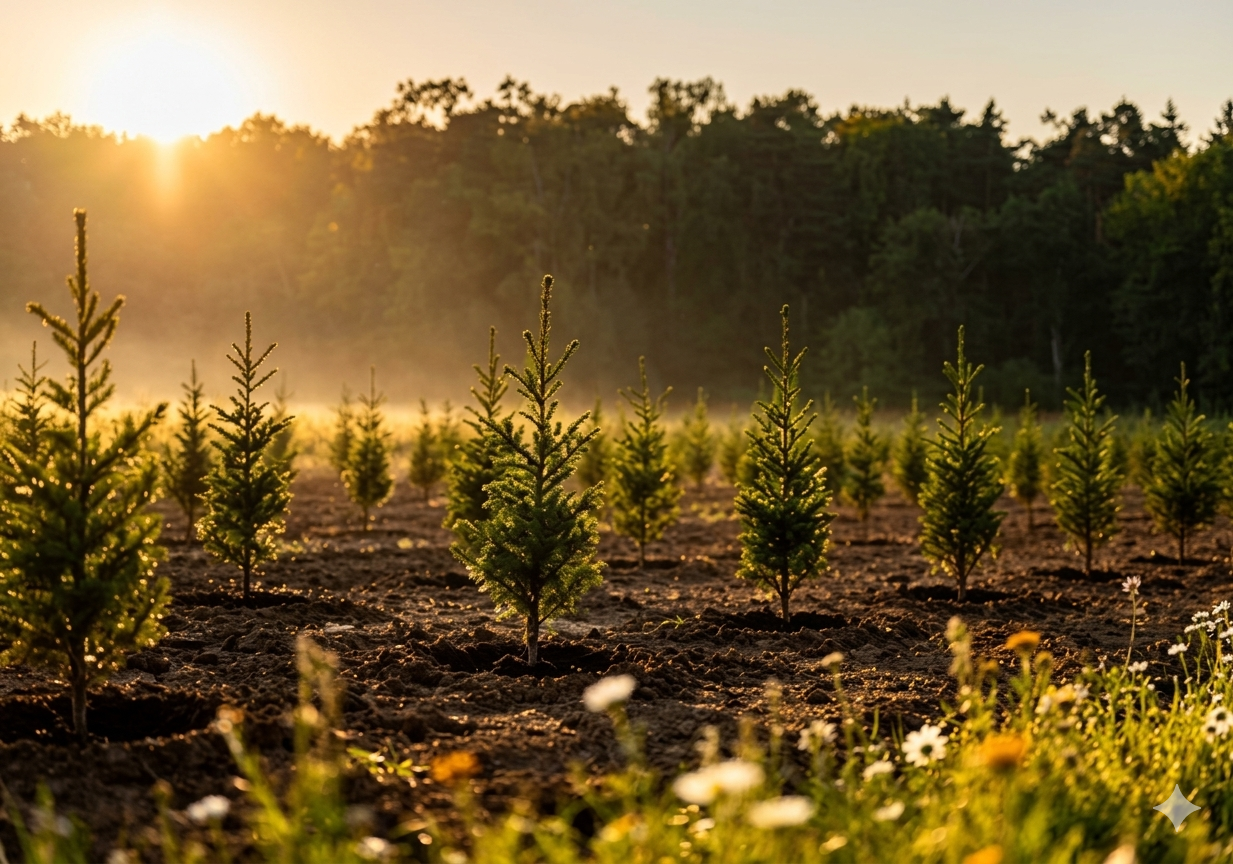
Generational Vision, Measurable Impact.
-
1. Visionary Stewardship, Measurable Renewal
J.E.S.U.S. is working toward a long-term goal of restoring native trees and shrubs along the Cache la Poudre watershed, from Bellvue toward Hygiene on Colorado’s North Front Range. We are starting with a small instrumented pilot site, using established forestry and restoration practices and sensors that measure soil moisture. The aim is to improve soil moisture, provide natural shade, and support the long-term drought resilience of the communities that depend on the river. We will expand to larger plantings once the pilot shows what works.
-
2. Rooted in Purpose, Tested by Science.
Our initiative restores native trees and shrubs along the Cache la Poudre watershed and measures what that restoration does to the land. Sensors at planted and unplanted sites record soil moisture, soil temperature and groundwater levels, so we can see whether restored ground holds water longer than comparable bare ground. We are testing whether native vegetation improves soil moisture and cools the surface, and we will publish our results openly, including any that do not support our hypothesis.
-
3. Bold Ecologies, Living Legacies
We are a volunteer-led Colorado nonprofit working with neighbors, landowners and students to restore the Cache la Poudre watershed. We plan to offer hands-on volunteer planting days and education as our first site is established. Our river corridor pilot will be a “living laboratory”: soil-moisture sensors and unplanted control areas will show what restoration does to the land, and we will share the data openly so other communities can learn from it. We believe community-led stewardship lasts, and we want to help build it.
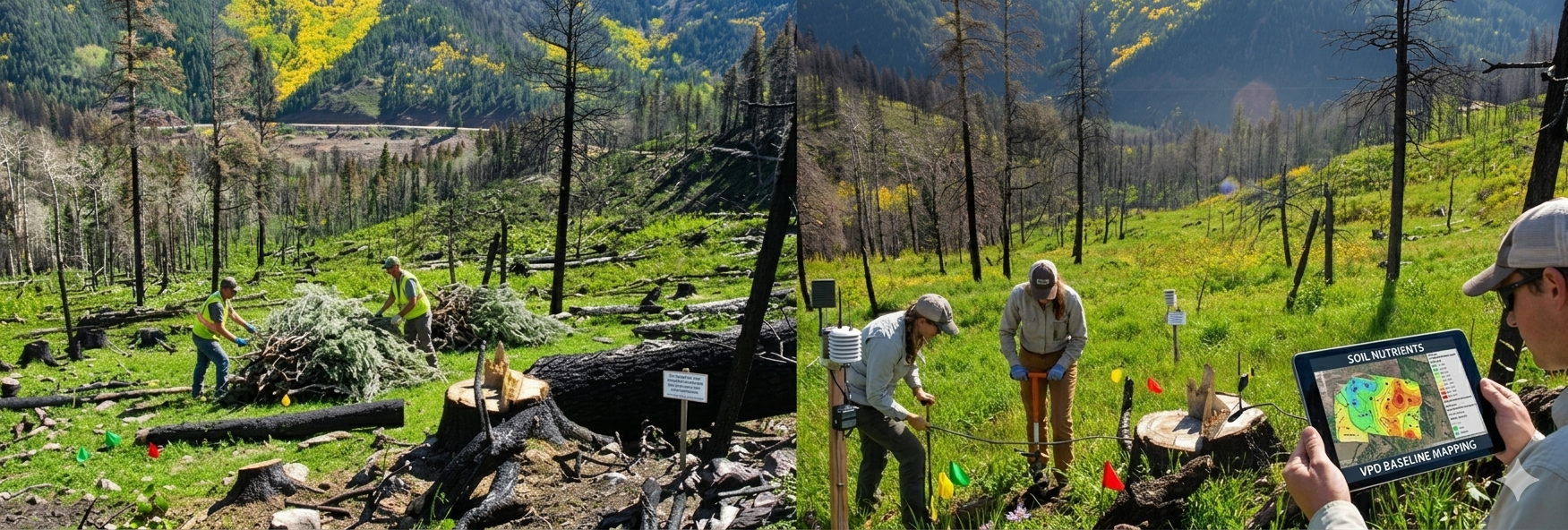
Restoration works best when the ground is ready. Where invasive species such as saltcedar and Russian olive have taken over our river corridors, we plan to remove them with land managers’ approval and replace them with native trees and shrubs. Before planting, we will test the soil and monitor soil moisture at each site, and as our sensor network grows we will add air-humidity (vapor pressure deficit) measurements. We use that information to match each native species to the spot where it is most likely to survive drought, and we will track survival to learn what works.
Groundbreaking: Our proposed five-year plan would begin as early as spring 2027, once our first site is secured. We would start with a small instrumented pilot and grow to about 10,000 native plants at several sites in the Larimer County area, as partners and funding allow. Planting would be done by hand, using standard annual ground cover to protect young plants from wind while they establish.
Our “biotic pump” idea is a hypothesis, not a result. We think planting layered native vegetation may lower the local vapor pressure deficit, which is the drying power of the air, near planted areas. We will test that with sensors and unplanted control areas, and publish our data openly. If the results are promising, we will look for research partners to review and extend the work.
Years 1 and 2: Pilot and first planting. Establish one instrumented pilot site of about 5 acres, with soil-moisture sensors and an unplanted control area. Following a landowner agreement and a planting plan, plant up to about 10,000 native trees and shrubs at the first site, as funding and partner approvals allow.
After Year 2: Expansion. If the pilot data show what works, extend the approach to additional sites along the Cache la Poudre corridor, working with public land managers, nonprofit partners and private landowners who invite us. We would share data and methods openly so partners can use them on their own land.